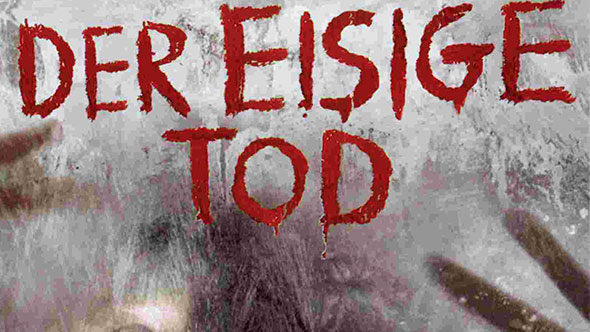
Gregory Jacobs' Der eisige Tod: A Masterclass in Winter Horror on a Secluded Road
In the vast landscape of horror cinema, certain films manage to carve out a unique niche, blending familiar tropes with a distinct atmosphere that lingers long after the credits roll. One such film is Gregory Jacobs' 2007 offering, known internationally as Wind Chill, but to German-speaking audiences as Der eisige Tod. This chilling tale takes the classic road trip gone wrong and infuses it with a potent dose of supernatural dread, all set against the unforgiving backdrop of a desolate, snow-covered highway.
Directed by Gregory Jacobs, who would later gain significant recognition for his work on mainstream productions like Magic Mike XXL, Der eisige Tod showcases a different facet of his directorial prowess. It's a testament to his versatility, demonstrating an early ability to craft a tense, atmospheric horror film that prioritizes psychological unease over jump scares. Produced by Section Eight Productions, a company co-founded by industry heavyweights Steven Soderbergh and George Clooney, the film benefits from a pedigree that hints at its quality and a focus on compelling storytelling. The screenplay, penned by Joe Gangemi and Stephen Katz, meticulously builds suspense, turning a simple journey into a terrifying fight for survival against both the elements and unseen forces.
A Perilous Journey: Unpacking the Plot of Der eisige Tod
The premise of Der eisige Tod is deceptively simple. A nameless college student, played with compelling vulnerability by Emily Blunt, seeks a ride home to Delaware for the Christmas holidays. She finds an offer on the university bulletin board from a fellow student, portrayed by Ashton Holmes. From the outset, there's a palpable unease. Blunt's character quickly senses that her driver knows more about her than he lets on, and his intentions, while not overtly malicious, carry a manipulative undertone. This initial discomfort sets the stage for the escalating tension that defines the film.
The narrative truly veers into horror territory when the driver, claiming to avoid an impending snowstorm, takes a dubious shortcut down a deserted, snow-laden road. It's a classic setup for isolation, but what follows is anything but cliché. In the encroaching darkness, a vehicle appears to force them off the road, leaving their car hopelessly stuck in a snowdrift. This incident marks the point of no return, trapping them in a nightmare where the cold is merely the first of many threats. The decision by screenwriters Gangemi and Katz to keep the protagonists nameless adds a layer of universality to their plight, allowing viewers to project themselves more easily into their desperate struggle. For a deeper dive into Emily Blunt's compelling portrayal in this chilling narrative, explore Der eisige Tod: Emily Blunt's Icy Supernatural Road Trip Horror.
Beyond the Cold: Supernatural Elements and Psychological Dread in Der eisige Tod
What truly elevates Der eisige Tod beyond a mere survival thriller is its seamless integration of the supernatural. Once stranded, the students find themselves caught in a terrifying loop, repeatedly encountering spectral figures and reliving harrowing events. The secluded road, it turns out, is haunted by the lingering spirits of past victims, including a ghostly highway patrolman who seems to enforce an otherworldly fate. The horror here isn't just about jump scares; it's a slow-burn psychological descent, where the line between reality and hallucination blurs, and dreams bleed into waking nightmares.
The film masterfully uses the extreme cold as a relentless, oppressive character in itself. The biting wind and freezing temperatures are constant threats, pushing the protagonists to their physical and mental limits. This tangible danger amplifies the terror of the unseen forces, creating a dual sense of vulnerability. Are they succumbing to hypothermia-induced delirium, or are they genuinely besieged by malevolent entities? Gregory Jacobs' direction ensures that this ambiguity fuels the dread, keeping the audience on edge. The remote, snowbound setting becomes a character, an antagonist almost, embodying isolation and despair. To unravel more of the film's spectral intricacies and the mystery behind its ghostly tale, check out Der eisige Tod: Unpacking the Mystery of Wind Chill's Ghostly Tale.
Practical Insight: Maximizing the Chill Factor
For films like Der eisige Tod, the viewing experience can significantly enhance the horror. To truly appreciate its atmospheric dread, consider watching it on a cold night, perhaps with the lights off and a warm blanket. The quiet isolation of your surroundings can mirror the characters' plight, making the film's slow-burn tension and supernatural encounters feel even more immediate and terrifying. It’s an exercise in immersion that elevates a good horror film into a truly memorable one.
Standout Performances in an Icy Labyrinth
A significant factor in the film's success is the strong performances from its two leads. Emily Blunt, even in a role that could be considered "two-dimensional" on paper, infuses her character with a remarkable sense of humanity and resilience. Her portrayal of fear, frustration, and eventual determination makes her a highly empathetic protagonist, compelling viewers to root for her survival despite the overwhelming odds. She navigates the emotional complexities of her character with nuance, making her nameless student feel incredibly real.
Ashton Holmes, as the manipulative yet ultimately not malevolent driver, plays a crucial role in establishing the initial suspense. His ambiguous intentions keep the audience guessing, and his gradual shift from questionable acquaintance to desperate ally is convincing. The dynamic between the two actors is central to the film's tension and emotional core. They represent a microcosm of humanity battling against overwhelming, otherworldly forces, relying on each other in an environment that actively seeks to break them.
Conclusion
Der eisige Tod (Wind Chill) stands as a notable entry in the supernatural horror genre, particularly for its effective blend of atmospheric tension, chilling setting, and existential dread. Gregory Jacobs' direction, coupled with a smart screenplay and strong performances from Emily Blunt and Ashton Holmes, crafts a winter horror story that feels both classic and uniquely unsettling. It's a film that proves that true horror doesn't always need excessive gore or constant jump scares; sometimes, all it takes is a secluded road, a relentless chill, and the haunting whispers of the past to create a truly terrifying experience. For those seeking a thoughtful, slow-burn horror film that explores themes of isolation, survival, and the inescapable grip of the supernatural, Der eisige Tod offers a journey into the heart of winter's darkest fears.