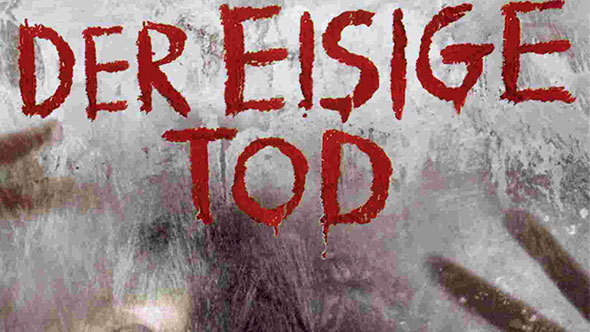
Der eisige Tod: Emily Blunt's Chilling Supernatural Road Trip Horror
In the vast landscape of horror cinema, certain films manage to carve out a unique niche, blending familiar tropes with a distinctive atmosphere. One such gem is the 2007 British-American production, Der eisige Tod, known in English as Wind Chill. This chilling supernatural horror film, directed by Gregory Jacobs, transports audiences into a snow-bound nightmare, starring a then-rising Emily Blunt in a performance that anchors its frosty dread. Far more than a simple genre flick, Der eisige Tod masterfully combines the anxieties of a forced road trip, the terror of isolation, and the unsettling presence of the spectral, making it a compelling watch for those who appreciate a slow-burn supernatural thriller.
Produced by Section Eight Productions, a company co-founded by industry heavyweights Steven Soderbergh and George Clooney in 2000, the film benefited from a pedigree often associated with more prestigious dramas. Yet, Jacobs, working from a screenplay by Joe Gangemi and Stephen Katz, chose to delve into the icy grip of the unknown. The narrative centers on two unnamed college students embarking on a seemingly innocent journey that quickly devolves into a desperate fight for survival against not just the elements, but something far more sinister. Emily Blunt's magnetic presence as the skeptical, increasingly terrified student is undeniably a major draw, adding depth and credibility to a character that could have easily fallen into cliché.
The Road to Ruin: Unraveling the Plot of Der eisige Tod
The premise of Der eisige Tod begins deceptively simply: a young, cynical college student (Emily Blunt) seeks a ride home to Delaware for the Christmas holidays. She finds an offer on a university bulletin board, leading her to a fellow student (Ashton Holmes) who seems a little too eager and perhaps a little too knowledgeable about her. From the outset, there's an undercurrent of unease, a sense that the driver's intentions might not be as straightforward as they appear. This initial psychological tension is a key strength of the film, building suspense even before the supernatural elements fully manifest.
As the journey progresses, the student's suspicions grow. She discovers her companion has ulterior motives, though mercifully, they're not malevolent in the traditional slasher film sense. However, his decision to take a seemingly ill-advised shortcut off the main highway to avoid an approaching snowstorm seals their fate. This turn onto an isolated, snow-covered road is the definitive point of no return. A sudden, unexplained incident—a car veering onto their side of the road—sends them crashing, stranding them in a remote, desolate winter landscape. It is here, amidst the biting cold and mounting snow, that the true horror begins. The film skillfully transitions from a character-driven thriller into a full-blown supernatural nightmare, where the lines between reality and the spectral blur. The harsh environment itself becomes a character, its vast, silent expanse amplifying the protagonists' vulnerability and isolation. For a deeper dive into the film's desolate setting and how it enhances the horror, consider reading Gregory Jacobs' Der eisige Tod: Winter Horror on a Secluded Road.
Emily Blunt's Performance: A Beacon in the Cold
For many viewers, Emily Blunt was, as she often is, the primary reason to give Der eisige Tod a chance. Even in 2007, prior to her widespread acclaim for roles in films like A Quiet Place or Edge of Tomorrow, Blunt demonstrated a remarkable ability to imbue her characters with genuine human emotion and depth. Her nameless student in Der eisige Tod, though initially written with a somewhat two-dimensional simplicity typical of horror protagonists, benefits immensely from Blunt's nuanced portrayal. She crafts a character who is initially guarded and skeptical, then evolves into someone genuinely terrified yet resilient, fighting for survival against insurmountable odds.
Blunt's performance elevates the film beyond what its relatively straightforward plot might suggest. She masterfully conveys the escalating fear, confusion, and desperation of a young woman trapped in an increasingly surreal and deadly situation. Her reactions feel authentic, drawing the audience into her terrifying ordeal and making her struggle deeply relatable. This compelling lead performance is crucial in sustaining engagement, especially as the film delves deeper into its more ambiguous and abstract supernatural elements. Without her strong anchor, the film might risk losing its grip on the audience, but Blunt ensures that the emotional core remains intact, even amidst the chilling apparitions and the overwhelming cold.
Supernatural Chills and Psychological Depths
What truly sets Der eisige Tod apart in the horror genre is its embrace of the supernatural, skillfully interwoven with a pervasive sense of isolation and dread. Once stranded, the students find themselves not just battling hypothermia and a lack of resources, but also a series of unsettling paranormal events. Ghostly figures, seemingly connected to the stretch of road they are on, begin to appear. These aren't your typical jump-scare specters; rather, they are manifestations of a chilling, cyclical tragedy that has trapped spirits in a perpetual loop of their last moments.
The film brilliantly blurs the lines between waking reality and nightmare. Events sometimes seem to occur within the characters' dreams, only to have tangible, terrifying consequences in their waking state. This ambiguity contributes significantly to the psychological horror, forcing both the characters and the audience to question what is real and what is a figment of their deteriorating minds. The namelessness of the protagonists, an unusual choice, further enhances this sense of detachment and universal vulnerability. It allows them to become archetypal figures, making their struggle more symbolic of humanity's fight against the unknown. The combination of intense cold, spectral phenomena, and psychological uncertainty creates a unique tapestry of fear. For an in-depth exploration of these spectral elements and the film's mysterious narrative, explore Der eisige Tod: Unpacking the Mystery of Wind Chill's Ghostly Tale.
Tips for appreciating this type of horror:
- Embrace the slow burn: Don't expect constant jump scares. Der eisige Tod thrives on atmospheric tension and psychological dread.
- Focus on atmosphere: The desolate, snow-covered landscape and the biting cold are characters in themselves. Pay attention to how they contribute to the mood.
- Analyze the ambiguity: The film intentionally leaves some questions unanswered, particularly regarding the nature of the supernatural occurrences. This invites viewer interpretation.
- Appreciate character development: Even without names, the protagonists undergo significant transformations under extreme pressure.
Gregory Jacobs' Vision and Lasting Impact
Director Gregory Jacobs, while perhaps not a household name in the same vein as Soderbergh or Clooney, demonstrates a keen understanding of tension and atmosphere in Der eisige Tod. Prior to directing, Jacobs had a strong background as a producer and assistant director, notably on many of Steven Soderbergh's projects. This experience undoubtedly contributed to the film's polished production quality and effective storytelling. While he would later gain more mainstream recognition for directing Magic Mike XXL, Der eisige Tod showcases his earlier foray into a starkly different genre, proving his versatility behind the camera.
The film doesn't rely on excessive gore or convoluted plot twists. Instead, its horror emanates from a more primal fear: being stranded, vulnerable to the elements, and facing an inexplicable, relentless supernatural force. The choice to ground the horror in a familiar scenario—the college road trip gone wrong—before veering into the otherworldly, makes the transition all the more impactful. The legacy of Der eisige Tod lies in its ability to deliver a genuinely unsettling experience, proving that a compelling concept, strong performances, and a potent atmosphere can be more terrifying than any monster or explicit violence. It's a testament to effective minimalist horror, where what is unseen and unexplained often frightens more than what is explicitly shown.
Conclusion: The Enduring Chill of Der eisige Tod
Der eisige Tod (Wind Chill) stands as a testament to effective, atmospheric horror. It's a film that manages to blend the palpable fear of physical isolation and exposure with the chilling dread of the supernatural, creating a truly unique viewing experience. Emily Blunt's compelling performance provides a human core to the escalating terror, while Gregory Jacobs' direction skillfully crafts a world where the biting cold is just as menacing as the restless spirits. This film, with its enigmatic plot and haunting visuals, continues to resonate with audiences who appreciate a horror story that prioritizes mood, psychological tension, and a slow, creeping sense of dread over cheap scares. If you're seeking a supernatural thriller that promises an icy grip on your imagination long after the credits roll, then embarking on this ghostly road trip is highly recommended.